
Breaking the Mold: The Case for Custom FHIR Resources
Exploring the strategic value of Logical Models in FHIR architecture: when to use them, why they matter, and how to implement them using FHIR Shorthand (FSH).
FHIR
Architecture
FSH
In the highly regulated world of healthcare IT, documentation is not just a “nice-to-have”—it is a legal and safety requirement. With the introduction of IEC 81001-5-1 (Health software and health IT systems safety, effectiveness and security — Part 5-1: Security — Activities in the product life cycle), the bar for architectural documentation has been raised significantly.
As healthcare architects, we are now required to maintain a continuous, versioned, and secure “Architectural View” of our systems throughout their entire lifecycle. But how do we bridge the gap between the agile, developer-centric world of Markdown and Git, and the corporate, compliance-centric world of Confluence and PDF audits?
IEC 81001-5-1 mandates several key documentation activities:
Traditionally, this leads to “Documentation Drift,” where the architecture diagrams in Confluence are six months behind the actual code in production. This is a major compliance risk.
I have developed a framework to solve this problem: the architecture-documentation project.
This project implements a Documentation as Code workflow that keeps your architectural artifacts close to your source code while ensuring they remain accessible to non-technical stakeholders.
cf-export and markdown-confluence tools to pull content from Confluence for editing in your favorite IDE, and push it back for stakeholders to review.make import, make serve, and make publish.make pdf.By treating your architecture as code, you directly address the requirements of IEC 81001-5-1:
Instead of static images, keep your architecture views in Diagrams as Code (like PlantUML or Mermaid) within your Markdown files. This ensures every change to the architecture is caught in a Git Commit, providing a perfect audit trail of design decisions.
Host your threat models and risk assessments directly in the docs/ folder. As new features are added, the threat model can be updated in the same Pull Request, ensuring that security is never an afterthought.
Compliance officers and medical directors often live in Confluence. By syncing your Git-managed docs back to Confluence automatically, you ensure that the “Source of Truth” is shared across the entire organization without forcing everyone to use Git.
With the PDF export feature, you can automate the creation of “Compliance Artifacts” as part of your CI/CD pipeline. Every release can automatically package its own architectural documentation, signed and ready for the Quality Management System (QMS).
You can spin up your own documentation-as-code environment in minutes:
# Clone the repository
git clone https://github.com/gjergjsheldija/architecture-documentation.git
cd architecture-documentation

# Setup dependencies
make setup

# Import existing pages from Confluence
make import

# Preview locally
make serve
IEC 81001-5-1 shouldn’t be a burden; it should be an incentive to build better, more transparent systems. By adopting a Documentation as Code approach, we can move away from “Check-the-box” compliance and towards a culture where architectural security is integrated into every line of code we write.
Explore the project and contribute on GitHub: gjergjsheldija/architecture-documentation
Exploring the strategic value of Logical Models in FHIR architecture: when to use them, why they matter, and how to implement them using FHIR Shorthand (FSH).
A deep dive into the three powerful methods for including graphical representations in FHIR Implementation Guides: Mermaid, PlantUML, and the new automated Class Diagrams.
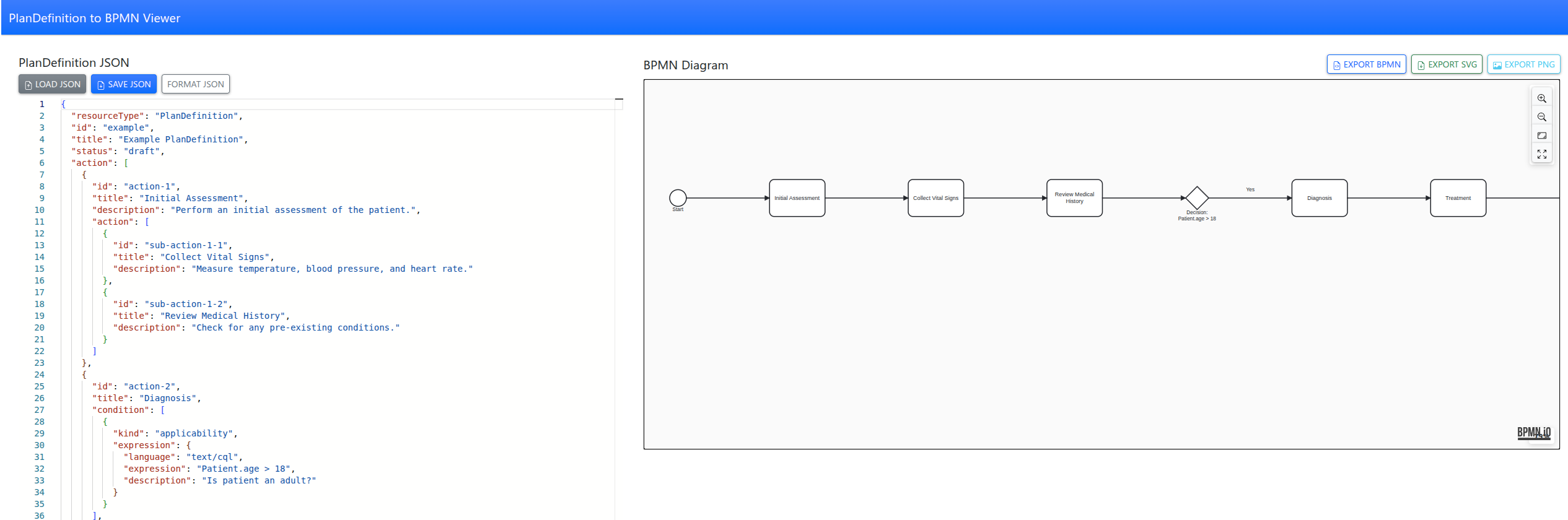
Tool to convert FHIR PlanDefinitions into interactive BPMN diagrams with a simple web app, making complex care pathways easy to visualize and understand.
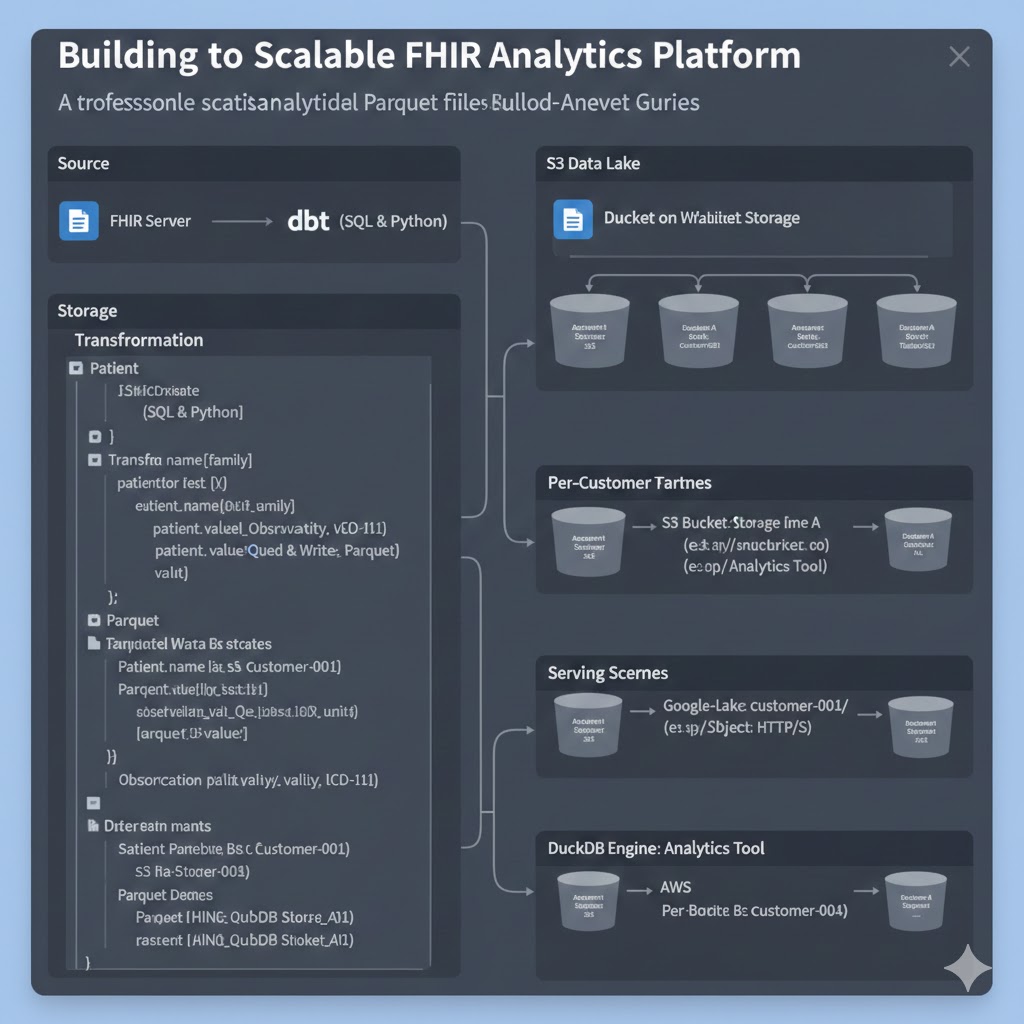
A professional guide to converting FHIR resources into analytical Parquet files using dbt, enabling secure multi-tenant analytics with DuckDB.