
Breaking the Mold: The Case for Custom FHIR Resources
Exploring the strategic value of Logical Models in FHIR architecture: when to use them, why they matter, and how to implement them using FHIR Shorthand (FSH).
FHIR
Architecture
FSH
As healthcare architects, one of our greatest challenges isn’t just designing the system—it’s proving that the design works under realistic conditions. How do you test a complex clinical trial workflow or a new custom resource model without touching a single byte of Protected Health Information (PHI)?
Static, hand-crafted JSON files are fine for unit tests, but they fail to capture the “messiness” and scale of real-world longitudinal health records. To build a truly robust sandbox, we need two things: Scale and Precision.
This is where the combination of Synthea and Flexporter becomes a game-changer.
Synthea is already a staple in the FHIR community. It generates high-fidelity, synthetic patient records that include everything from demographics to encounters, observations, and medications.
However, Synthea generates “standard” clinical data. What happens when your architecture requires domain-specific extensions, custom logical models, or specialized resources like ResearchStudy and ResearchSubject that aren’t part of Synthea’s core output?
This is where Synthea Flexporter fits in. Think of Flexporter as the “Swiss Army Knife” for FHIR data transformation. It allows you to intercept a stream of FHIR resources and apply complex logic to shape them into exactly what your architecture needs.
I’ve been experimenting with this workflow in my custom-fhir-resource project, and the results are incredibly powerful.
Let’s say you’re building a system for clinical research. You need a sandbox populated with hundreds of patients, but they all need to be enrolled in a specific ResearchStudy and have corresponding ResearchSubject resources.
Instead of writing a custom script to mangle Synthea’s output, you can use a declarative Flexporter configuration.
In my project’s flexporter_custom_resources.yaml, I define the transformation logic like this:
actions:
  # 1. Create a Singleton ResearchStudy
  - fhirpath: "Bundle.limit(1)"
    create_resource:
      - resourceType: ResearchStudy
        fields:
          - location: "ResearchStudy.id"
            value: "example-research-study"
          - location: "ResearchStudy.status"
            value: "active"

  # 2. Map every Patient to a ResearchSubject
  - fhirpath: "Bundle.entry.resource.ofType(Patient)"
    create_resource:
      - resourceType: ResearchSubject
        fields:
          - location: "ResearchSubject.status"
            value: "candidate"
          - location: "ResearchSubject.individual.reference"
            value: $findRef([Patient])
          - location: "ResearchSubject.study.reference"
            value: $findRef([ResearchStudy])
With just a few lines of YAML and FHIRPath, we’ve transformed a generic clinical record into a specialized research entity.
The true power of this stack lies in its extensibility. Flexporter allows you to inject custom JavaScript for cleanup or complex transformations. For instance, if your target system doesn’t support specific US-Core extensions that Synthea includes by default, you can strip them out on the fly:
// A simple cleanup script embedded in the YAML
function removeSpecificExtensions(bundle) {
  const removeUrls = [
    "http://hl7.org/fhir/us/core/StructureDefinition/us-core-race",
    "http://synthetichealth.github.io/synthea/disability-adjusted-life-years"
  ];
  // ... filter logic ...
  return bundle;
}
The workflow is beautifully simple:
./run_synthea -p 10 --exporter.fhir.export=true
./run_flexporter -fm config/flexporter_custom_resources.yaml -s output/fhir/
Check out the full implementation details in the Running Synthea and Flexporter section of my latest repository.
For healthcare architects, the goal is often to provide a development environment that is as close to production as possible. By combining the generative power of Synthea with the transformative precision of Flexporter, we can create “Model-Driven Sandboxes” that are:
It’s time to stop fighting with test data and start orchestrating it.
Deep dive into the source code: gjergjsheldija/custom-fhir-resource
Exploring the strategic value of Logical Models in FHIR architecture: when to use them, why they matter, and how to implement them using FHIR Shorthand (FSH).

A deep dive into the three powerful methods for including graphical representations in FHIR Implementation Guides: Mermaid, PlantUML, and the new automated Class Diagrams.

How to leverage 'Documentation as Code' to meet the rigorous architectural and security requirements of IEC 81001-5-1 in healthcare software development.
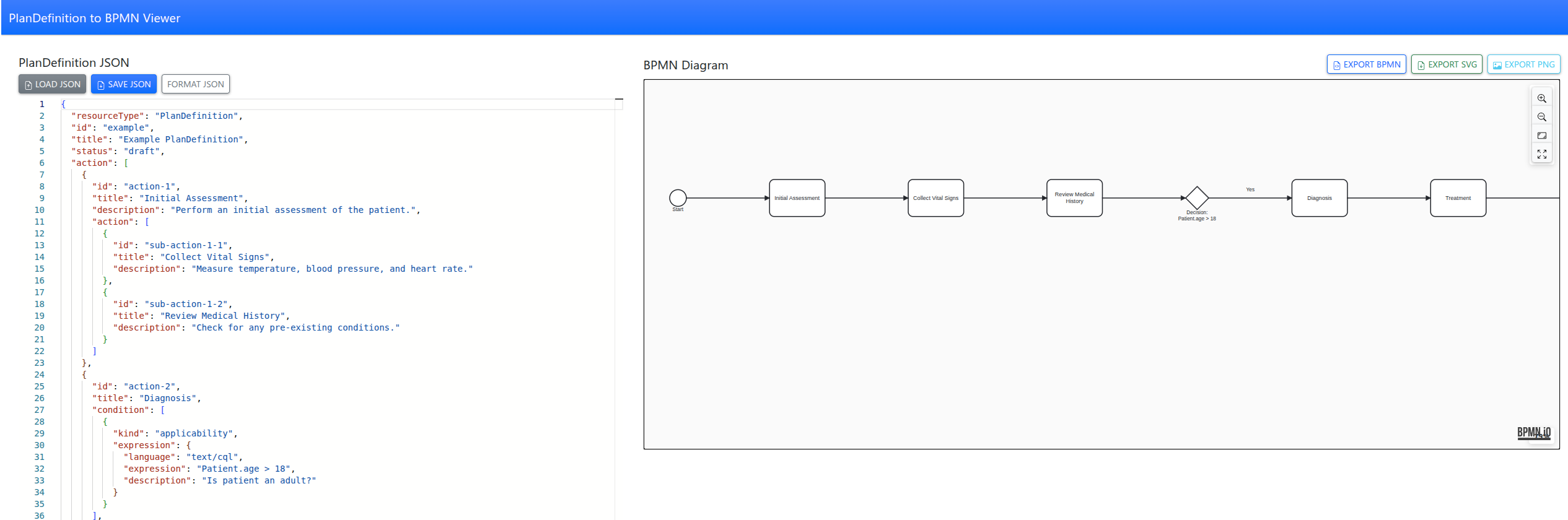
Tool to convert FHIR PlanDefinitions into interactive BPMN diagrams with a simple web app, making complex care pathways easy to visualize and understand.
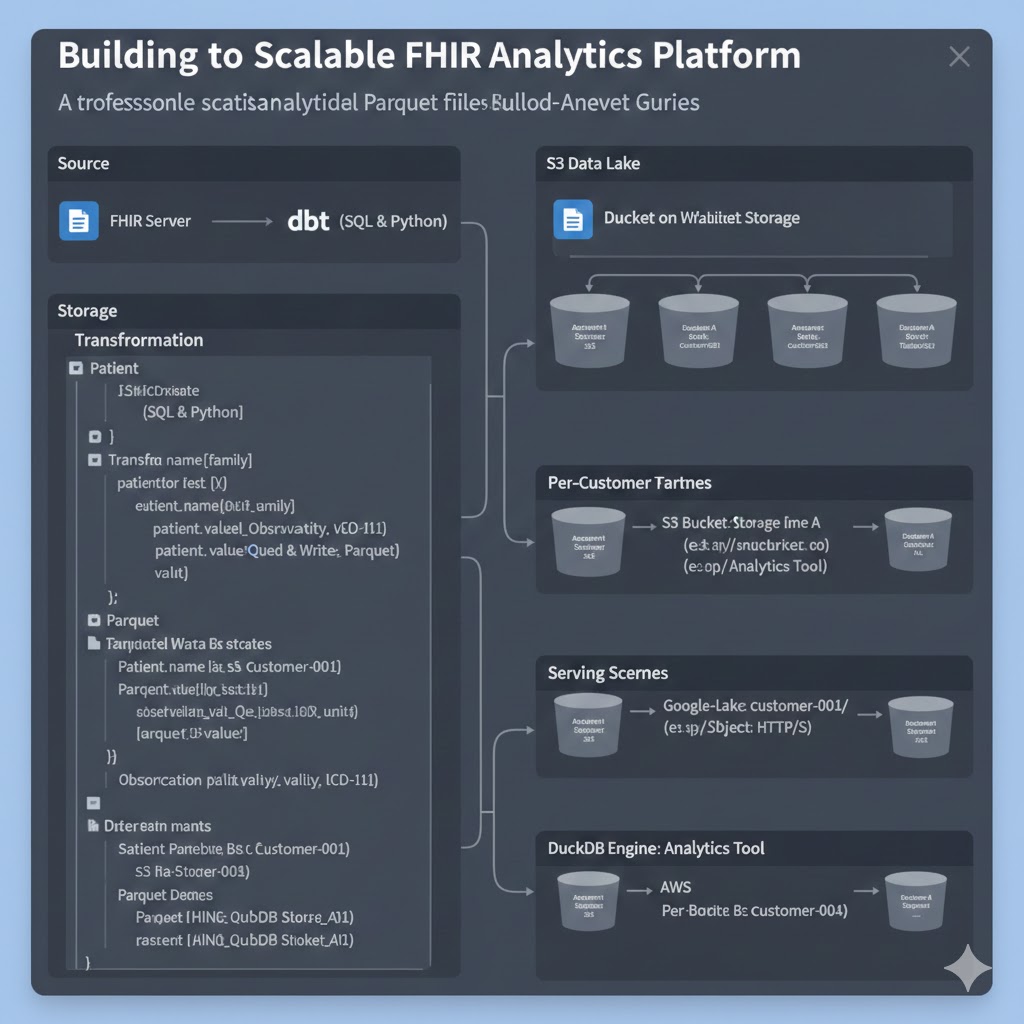
A professional guide to converting FHIR resources into analytical Parquet files using dbt, enabling secure multi-tenant analytics with DuckDB.

Why I built the Trivy PDF plugin and how it simplifies the documentation burden for IEC 81001-5-1, ISO 27001, and MDR audits.

Fork of Microsoft FHIR Converter.

HAPI FHIR is a Java-based implementation of the HL7 FHIR (Fast Healthcare Interoperability Resources) standard for healthcare data exchange.